

Product Center

Q-Switch ND YAG Laser Machines

The professional manufacturer of Q-Switch ND YAG Laser Machines, ADSS is committed to continuous innovation, providing safe & compliant products to empower the industry.

Products List

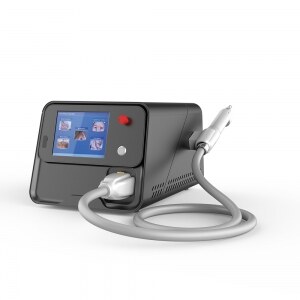
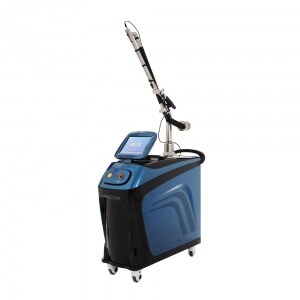
  • Q-Switched ND YAG Laser - FG2014

    ADSS professional manufacturer of Q-Switched ND YAG Laser,The most common type of laser used in tattoo removal, the Q-switch produces light pulses of extremely high peak power. Several types of Q-switch lasers exist, and each one targets a different color spectrum at different wavelengths. Because Q-switch lasers are so precise and intense, tattoo pigments fragment instantly, and the surrounding tissue is spared.
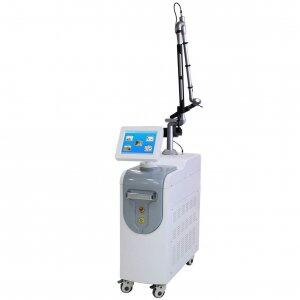
  • Q-Switch ND YAG Pigmented Lesions Removal System

    ADSS professional manufacturer of Q-Switch ND YAG Pigmented Lesions Removal System,Nd:Yag laser is named after the laser medium, Neodymium: yytrium-alumunium-garnet. This laser was specifically designed to help with pigmentation, reckless and also can help removing old tattoos.

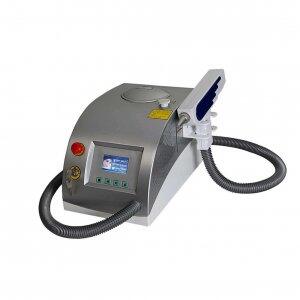
  • ND YAG Laser Tattoo Removal System,RY 280

    Q-Switched Nd:YAG is very effective for the removal of dark tattoos and the safest for skin of color. Using a top-hat beam profile ensures control of homogeneous energy delivery and maximum safety without hot-spots nor any risk of side effects or complication for the patient. The versatility of 5 spot sizes allows to use the ideal parameters for the clearance of dark tattoos. Also, there are other functions like the following.

  • ND YAG Laser Tattoos Removal System,RY 580

    ND YAG Laser comes in 2 wavelengths, 1064 nm and 532 nm. It is a non-ablative laser, which means that there is no break in skin tissue continuity during the treatment. It is designed to target pigment cells. This specific wavelength are absorbed preferentially by pigments (melanin) and the resultant heat will cause generation and propagation of waves that cause damage to the cells containing pigment. These damaged cells will then be cleared from the site resulting in lightening of the pigmented site.